

Blood on the Streets: Iran’s Protests Met With Relentless State Violence as Death Toll Mounts

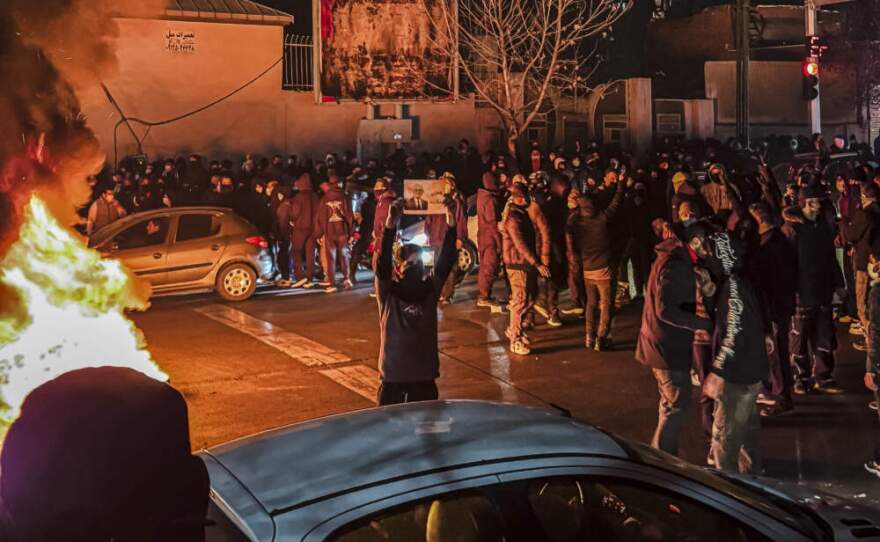

Iran’s nationwide uprising against clerical rule has descended into one of the darkest chapters of repression since the 1979 Islamic Revolution, with at least 5,000 people killed in a sweeping crackdown by the state, according to an Iranian official cited by Reuters.
Among the dead are nearly 500 members of the security forces, highlighting the scale and ferocity of the unrest—and the ruthlessness with which it has been crushed.
What began on December 28 as protests over soaring prices, unemployment, and economic collapse has rapidly evolved into a full-blown revolt against the ruling clerical establishment and the government of President Masoud Pezeshkian.
Within two weeks, strikes and street demonstrations spread across cities and towns, transforming economic anger into open calls for an end to religious rule.
The state’s response has been uncompromising. Security forces, according to multiple accounts, used live ammunition, mass arrests, and sweeping raids to regain control.
Officials have blamed what they call “armed rioters” and “terrorist elements” for the bloodshed, claiming civilians were killed by violent protesters.
But the sheer scale of casualties has fuelled accusations that peaceful demonstrations were met with overwhelming and indiscriminate force.
Iran’s judiciary has reinforced the climate of fear. On Sunday, spokesperson Asghar Jahangir confirmed that several protest-related actions had been classified as Mohareb—a charge meaning “waging war against God,” which carries the death penalty under Iranian law.
The statement came amid growing concern that mass executions could follow, despite earlier indications that such plans might be paused.
Supreme Leader Ayatollah Ali Khamenei struck a defiant tone, warning that while Iran would avoid open war, those he described as “domestic and international criminals” would not escape punishment.
In a rare acknowledgment, he conceded that “several thousand” people had been killed, while accusing the United States and Israel of orchestrating the unrest.
From Washington, Donald Trump has oscillated between threats and caution. He has repeatedly warned of possible US military intervention if executions proceed or protesters continue to be killed.
On Friday, however, he softened his rhetoric, publicly thanking Iranian authorities for reportedly halting planned mass executions.
A day later, in an interview with Politico, Trump bluntly declared that “it’s time to look for new leadership in Iran.”
Despite official claims that the death toll is now “verified” and unlikely to rise significantly, rights groups and activists argue that the true number may be far higher, with many deaths unreported amid internet shutdowns, intimidation of families, and tightly controlled information flows.
What is clear is that Iran is witnessing its most lethal internal unrest in decades—one in which demands for dignity and economic relief have been met not with reform, but with bullets, gallows, and silence enforced by fear.
(With inputs from Reuters)
#IranProtests #StateRepression #HumanRightsCrisis #IranUnrest #ClericalRegime #ProtestCrackdown #MiddleEast #VoicesOfIran


