

Trump Draws Red Lines Again: Iran and Hamas Warned of Military Fallout if Defiance Continues



US President Donald Trump has once again adopted a hardline posture on the Middle East, issuing stark warnings to Iran and Hamas, signalling that Washington is prepared to back renewed military action if its red lines are crossed.
Speaking alongside Israeli Prime Minister Benjamin Netanyahu after their meeting at Trump’s Mar-a-Lago estate in Florida, the former president said the United States would not hesitate to act again if Iran revives its ballistic missile or nuclear weapons programmes.
Citing intelligence reports, Trump said Iran appeared to be “building up weapons at different sites” following a major US strike earlier this year.
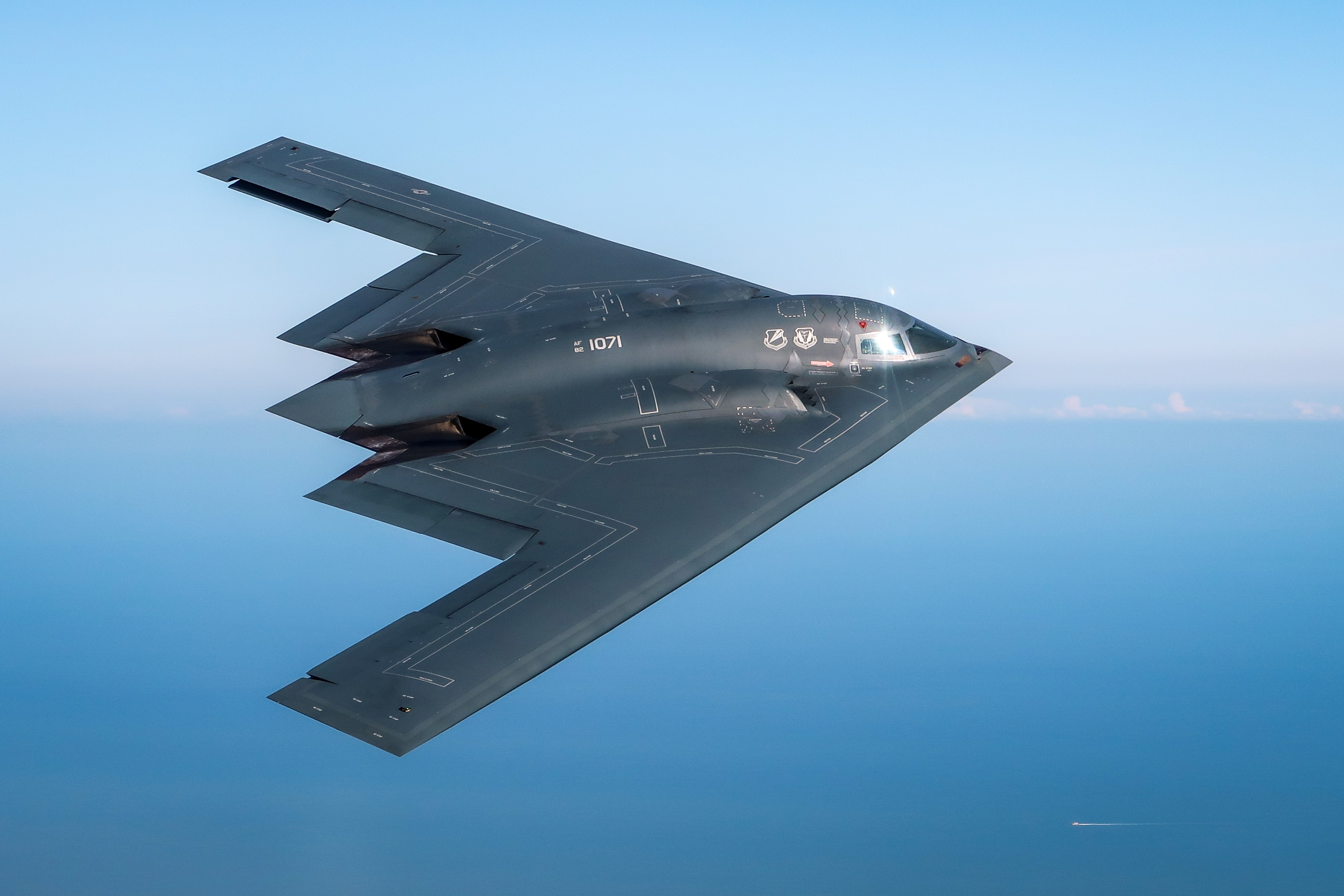
“We know exactly where they’re going, what they’re doing,” Trump said, adding pointedly, “I hope they’re not doing it, because we don’t want to waste fuel on a B-2.”
The remark, widely interpreted as a thinly veiled reference to America’s long-range strategic bombers, underscored the seriousness of the warning.
Gaza, Hamas and the Threat of Renewed War
Trump’s message was equally uncompromising on Gaza. He accused Hamas of stalling the ceasefire process and warned that there would be “hell to pay” if the group refuses to disarm.
The ceasefire deal—brokered with Trump’s involvement—has entered a fragile phase, with both Israel and Hamas accusing each other of violations.
Trump said he wants to push the agreement into its second phase, which would include Israel’s withdrawal from Gaza, Hamas stepping aside from governance, and the possible deployment of international peacekeeping forces.
However, Hamas has not surrendered its weapons, and Israel has openly stated it could resume military operations if diplomacy fails.
An Israeli official indicated that Netanyahu wants the remains of the last Israeli hostage returned before moving to the next stage—an emotional and politically sensitive demand that could delay progress further.
Iran, Hezbollah and a Wider Regional Fuse
Netanyahu, for his part, reiterated that Israel remains deeply concerned about Iran and Hezbollah rebuilding their military capabilities after recent confrontations.
He told aides he would continue to raise Iran’s activities with Trump, signalling alignment between Washington and Tel Aviv on containing Tehran.
Trump also revealed discussions on unconventional possibilities, including the deployment of Turkish peacekeepers in Gaza, and touched on Israel’s cautious approach toward Syria’s new leadership.
While he acknowledged disagreements with Netanyahu over the West Bank, Trump declined to elaborate, hinting at unresolved fault lines even among allies.
What Analysts Say: Escalation or Strategic Deterrence?
Regional and international analysts say Trump’s warnings are designed less as rhetoric and more as deterrence through intimidation.
On Iran, analysts believe Tehran is likely to test limits indirectly rather than openly defy Washington.
“Iran may accelerate covert activity—moving assets, decentralising facilities, or relying more on proxies—rather than announcing any formal restart of nuclear or missile programmes,” says Middle East analyst Karim Sadjadpour.
Open defiance, experts say, could invite swift air strikes backed by Israel.
In the case of Hamas, analysts warn that the situation is more volatile. “Hamas thrives on resistance narratives,” says former UN diplomat Richard Gowan.
“Disarmament is ideologically difficult for them. If they refuse, Israel is likely to return to limited but intense military action, possibly with tacit US backing.”
Security experts also caution that a collapse of the Gaza process could ignite multiple fronts—southern Lebanon, the Red Sea, and even the West Bank—drawing in Hezbollah and Iranian-aligned militias.
A Region at the Edge
Trump’s statements have effectively reset the tone: diplomacy backed by force, ceasefires backed by threats.
Whether Iran recalibrates quietly or Hamas hardens its stance will determine whether the region edges toward stability—or slides back into war.
For now, Trump has made his position unmistakably clear. The question haunting the Middle East is not what Washington will do next, but who dares to call its bluff.
#DonaldTrump #IranWarning #Hamas #GazaCeasefire #Israel #MiddleEastCrisis #USForeignPolicy #Netanyahu #GlobalSecurity


