

Saving Aravallis to Save Delhi: If Akhilesh Yadav Is Scientifically Right, Where Were Environmental Scientists as NCR Choked?

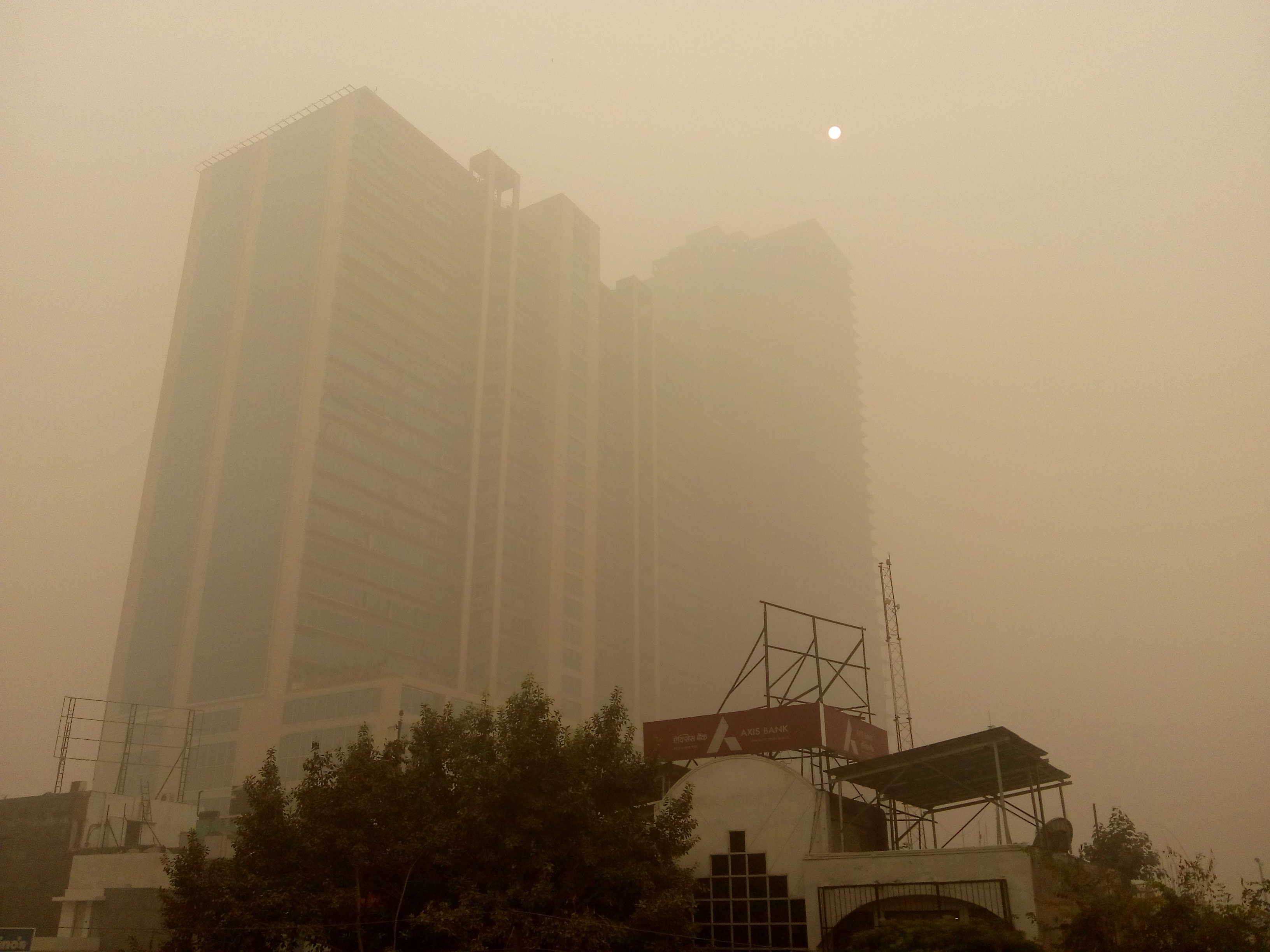


After a long political silence on issues of direct public relevance, Akhilesh Yadav, president of the Samajwadi Party, has raised a demand that directly concerns the survival of Delhi and the National Capital Region (NCR).
He has called for urgent protection of the Aravalli Hills, following the Supreme Court of India accepting the Centre’s definition of the Aravalli range on November 20.
Under this definition, hills in the Aravalli range with elevations below 100 metres are exempt from mining restrictions—an interpretation that environmentalists fear could open the door to large-scale mining and irreversible ecological damage.
Extending support to the Save Aravalli campaign, Akhilesh Yadav wrote an open letter to Delhi residents, urging them to unite against what he termed “illegal and destructive mining” in the Aravalli region.
Calling the Aravallis a “God-given natural barrier” for Delhi-NCR, the former Uttar Pradesh chief minister asserted that protecting the range is “not an option, but a necessity,” warning that “only if the Aravallis survive will the NCR survive.”
Yadav emphasised that the Aravalli range plays a crucial environmental role—acting as a natural shield against desertification, reducing air pollution, aiding rainfall, conserving groundwater, and sustaining biodiversity.
He argued that preserving the range could even help restore the long-lost stars in Delhi’s night sky. “Saving the Aravallis,” he wrote, “means saving the future of Delhi.”
Painting a grim picture of the present, Yadav pointed out that Delhi’s residents are already struggling to breathe amid deadly smog.
He noted that pollution is hitting the elderly, the sick, and children the hardest.
Even Delhi’s globally renowned hospitals and medical ecosystem, he warned, are suffering—patients who once travelled to the capital for treatment are now hesitant, fearing further damage to their health.
He further cautioned that unchecked environmental degradation could strip Delhi of its economic and cultural centrality.
According to him, tourism—both domestic and international—would collapse, major conferences and events would vanish, and global sporting events such as the Olympics, Commonwealth Games, or Asian Games would become impossible to host.
Hotels, restaurants, transport services, artisans, traders, and the informal economy would all face ruin.
“When flights are grounded due to pollution, trains are delayed for hours, and roads become unsafe,” Yadav asked, “who will come to Delhi?”
Calling upon students, schools, coaching centres, traders, shopkeepers, street vendors, business owners, and families, he urged mass participation in the Save Aravalli campaign, declaring, “Saving the Aravalli means saving ourselves.
” He also accused the BJP of attempting to legitimise illegal mining driven by unchecked greed for land, warning that this could turn India’s capital into the world’s pollution capital and force people to flee the city.
The Unanswered Question
However, this raises a larger and deeply uncomfortable question:
If Akhilesh Yadav’s argument holds scientific weight—and environmental science does recognise the Aravallis as a critical ecological barrier—then where have India’s environmental scientists, regulatory bodies, expert committees, and policy advisors been all these years?
At a time when Delhi has repeatedly recorded hazardous Air Quality Index (AQI) levels, when schools are shut, flights are disrupted, and citizens are advised not to step outdoors, why has there been no sustained, forceful, and unified scientific intervention to halt mining and ecological destruction in the Aravalli range?
If the science is clear, why has it taken a political appeal—rather than decisive environmental governance—to spotlight the Aravallis as a life-support system for Delhi-NCR?
And if experts have been warning all along, why have those warnings failed to translate into binding policy, strict enforcement, and irreversible protection?
As Delhi gasps for air, the debate is no longer just political—it is existential.
#SaveAravalli #DelhiPollution #NCRAirCrisis #EnvironmentalScience #AQI #AravalliHills #ClimateAction #DelhiSmog #PublicHealth #EcologicalCollapse


